From site characterization, through engineering analysis, to geotechnical supervision during construction
Geotechnical consulting for construction and infrastructure
Effective geotechnical consulting begins by defining how the ground may affect the project. The geotechnical engineer develops the ground model, plans the investigation, establishes design parameters and helps the project team select solutions that are safe, buildable and proportionate to the risks of the site. Depending on the project requirements, the scope may also include engineering calculations ranging from simple checks to advanced and complex analyses.
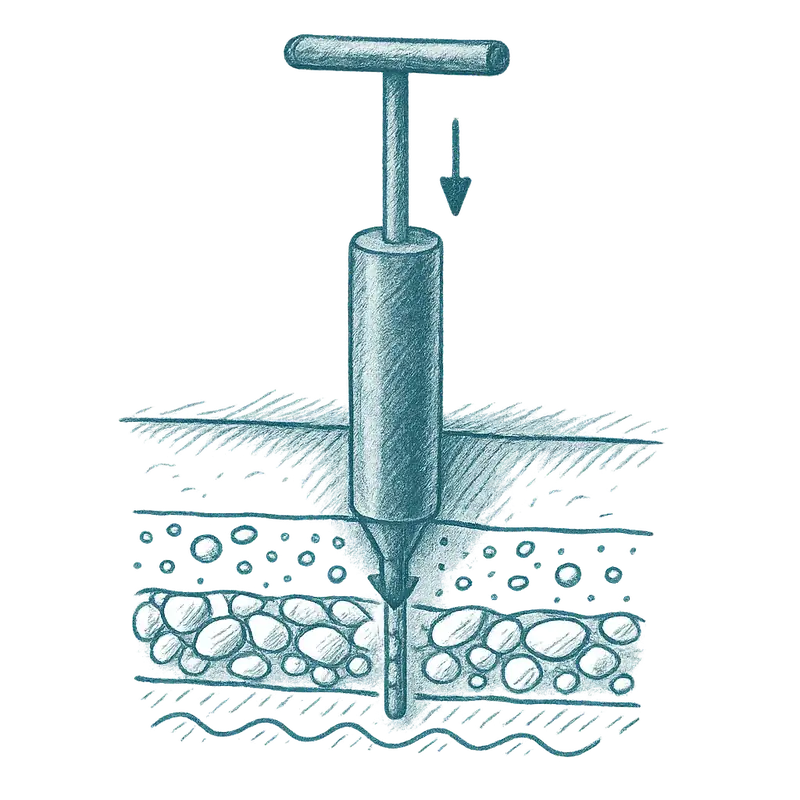
The scope of geotechnical consulting
Our work can begin with a desktop study and an initial assessment of the site, then continue through investigation planning, interpretation, design recommendations and construction support. The scope is tailored to the structure, the surrounding development, the expected construction sequence and the level of ground-related risk.
The resulting ground model and design parameters are coordinated with the structural engineer and the wider project team. As construction progresses, geotechnical support helps reconcile the design assumptions with the conditions encountered on site.
A typical consulting process
- Project and site review: Understand the proposed development, topography, structural concept and available geological or geotechnical information.
- Investigation strategy: Define borehole locations and depths, in situ testing, sampling and laboratory work.
- Engineering interpretation: Develop the ground model and design parameters while accounting for variability and uncertainty.
- Design advice and coordination: Prepare foundation and other geotechnical recommendations and work through them with the design team.
- Construction support: Review actual conditions, respond to findings and update the advice where the project requires it.
Projects and clients
Klar Israel works with developers, public agencies, infrastructure companies, architects, structural engineers, contractors and private clients. Our advice supports buildings, bridges, transportation systems, marine works, reservoirs, energy facilities and any project in which soil or rock conditions materially affect design or construction.
Why experience matters
Subsurface information is always incomplete: boreholes and tests sample only a small part of the ground. Calculations and advanced simulations are therefore only as reliable as the assumptions, parameters and engineering judgment behind them.
This is especially important as AI (artificial intelligence) becomes part of engineering analysis and knowledge management. AI can help organize and interrogate large bodies of past work, but its outputs still require traceability, calibration and review by experienced engineers. Klar Israel's record of more than 20,000 projects over approximately 45 years provides a substantial body of professional knowledge against which results can be tested, anomalies identified and automated outputs challenged.
Frequently asked questions
What does a geotechnical engineer contribute?
The geotechnical engineer develops the ground model, plans and interprets the investigation, establishes design parameters, recommends foundation and ground solutions, and supports the team during design and construction. Depending on the project, the scope may also include engineering calculations ranging from simple preliminary checks to advanced and complex analyses.
When should geotechnical advice begin?
As early as possible. Early involvement allows the investigation to be aligned with the structural concept and gives the team time to use the findings in key design decisions.
Does every project require the same investigation?
No. The investigation should reflect the structure, loading, site history, surrounding assets, anticipated ground conditions and the consequences of uncertainty.
Do you need geotechnical advice?
Send us the initial site and project information, and our team will review the required scope.